Table of contents
- The Future of Design: AI-Powered Processes Explained
- Revolutionizing Design with Artificial Intelligence Technology
- Enhancing Creativity: How AI Drives Design Innovation
- AI-Driven Design: The Key to Streamlining Workflow
- Exploring the Power of AI in Modern Design Processes
- Unlocking Efficiency: AI-Driven Solutions for Design Challenges
- The Impact of Artificial Intelligence on Design Thinking
- AI-Powered Design: A Game-Changer for Creative Professionals
- Adapting to the Future: Embracing AI in Design Processes
- Conclusion
The Future of Design: AI-Powered Processes Explained
The future of design is being reshaped by AI-powered processes, which are revolutionizing the way we create and innovate. Through the use of artificial intelligence, designers can now automate repetitive tasks, analyze data to gain insights, and even generate design concepts. This technology is not meant to replace human creativity, but rather enhance and streamline the design process.
AI-powered design processes have the potential to significantly impact industries such as graphic design, web design, and product design. By harnessing the power of machine learning algorithms, designers can optimize their workflows, improve efficiency, and deliver better results for clients. With AI, designers can explore new possibilities and push the boundaries of what is possible in design.
One of the key benefits of AI-driven design processes is the ability to generate new ideas and concepts quickly. By analyzing vast amounts of data and patterns, AI can provide designers with valuable insights and inspiration. This can help designers break through creative blocks and come up with fresh, innovative solutions to design problems. AI can also help designers iterate and refine their designs more efficiently, saving time and resources in the process.
In conclusion, AI-powered design processes are shaping the future of design by enhancing creativity, streamlining workflows, and pushing the boundaries of what is possible. By embracing this technology, designers can unlock new opportunities for innovation and take their designs to new heights. The future of design is bright with AI leading the way.
Revolutionizing Design with Artificial Intelligence Technology
Artificial Intelligence technology is revolutionizing the design process in ways we never thought possible. With AI-driven design processes, creativity knows no bounds, as machines can now assist in creating innovative and unique designs that cater to individual needs and preferences. By harnessing the power of AI, designers can streamline their workflows, enhance productivity, and produce outstanding results that surpass human capabilities.
AI-driven design processes leverage machine learning and data analysis to generate personalized designs that resonate with target audiences. This technology enables designers to extract valuable insights from vast amounts of data, allowing them to make data-driven decisions and create designs that are tailored to specific demographics. By utilizing AI algorithms, designers can predict trends, optimize design elements, and deliver exceptional user experiences that drive engagement and satisfaction.
Furthermore, AI technology empowers designers to automate repetitive tasks, such as prototyping, testing, and iteration, saving time and resources. By delegating mundane tasks to machines, designers can focus on more strategic and creative aspects of the design process, leading to higher-quality outcomes and faster project delivery. With AI as a trusted partner, designers can unlock their full potential and push the boundaries of design innovation like never before.
In conclusion, the integration of Artificial Intelligence technology into design processes is reshaping the industry landscape and setting new standards for creativity and efficiency. By embracing AI-driven design processes, designers can unlock endless possibilities, enhance their skills, and deliver exceptional results that captivate audiences and drive business success. The future of design is here, and it’s powered by AI. Harness the power of Artificial Intelligence technology and elevate your design game to new heights.
Enhancing Creativity: How AI Drives Design Innovation
Have you ever wondered how artificial intelligence is revolutionizing the design industry? AI-driven design processes are enhancing creativity and driving innovation in ways we never thought possible. By leveraging the power of AI, designers can tap into a wealth of data and insights to create stunning visuals and user experiences that were once unimaginable.
One of the key ways AI enhances creativity in design is through its ability to analyze vast amounts of data quickly and efficiently. By processing information at speeds far beyond human capabilities, AI can identify patterns, trends, and opportunities that may have otherwise gone unnoticed. This allows designers to make more informed decisions and push the boundaries of what is possible in design.
AI-driven design processes also enable designers to experiment and iterate more rapidly. Through machine learning algorithms, AI can generate countless design variations in a matter of minutes, allowing designers to explore different options and refine their ideas at a much faster pace. This not only speeds up the design process but also encourages creativity by encouraging designers to think outside the box.
Ultimately, AI is not replacing human creativity in the design process but rather enhancing it. By automating repetitive tasks and providing valuable insights, AI frees up designers to focus on the more creative aspects of their work. This collaborative approach between humans and machines is driving design innovation and pushing the boundaries of what is possible in the world of design.
AI-Driven Design: The Key to Streamlining Workflow
AI-driven design processes have revolutionized the way we approach workflow optimization. By harnessing the power of artificial intelligence, designers can streamline their processes, saving time and increasing efficiency. With AI tools, designers can automate repetitive tasks, analyze data to make informed decisions, and even generate design options based on specified criteria.
One of the key benefits of AI-driven design is its ability to adapt to changing needs and preferences. By learning from past projects and user interactions, AI systems can continuously improve and refine their design recommendations. This not only saves time but also ensures that designs are always up-to-date and in line with current trends.
Furthermore, AI-driven design processes can help designers collaborate more effectively. By providing real-time feedback and suggestions, AI tools can facilitate communication and decision-making among team members. This can lead to quicker turnarounds, smoother workflows, and ultimately, better design outcomes.
Exploring the Power of AI in Modern Design Processes
Design processes have evolved significantly with the integration of artificial intelligence (AI) in modern workflows. The power of AI in design is undeniable, as it streamlines tasks, enhances creativity, and improves overall efficiency in the design process. With AI-driven tools and technologies becoming more accessible, designers can now explore new possibilities and push the boundaries of their creativity like never before.
One of the key advantages of AI in design processes is its ability to analyze vast amounts of data quickly and accurately. AI algorithms can identify patterns, trends, and insights that humans may overlook, providing valuable input for designing more innovative and user-centric solutions. By leveraging AI capabilities, designers can make data-driven decisions and create designs that resonate with their target audience.
Unlocking Efficiency: AI-Driven Solutions for Design Challenges
As design challenges continue to evolve in complexity, AI-driven solutions have emerged as a game-changer in unlocking efficiency. By harnessing the power of artificial intelligence, designers can streamline their processes and overcome obstacles with ease. AI-driven design processes offer a range of benefits, including:
– Enhanced creativity and innovation
– Faster decision-making
– Improved accuracy and precision
– Increased productivity and efficiency
With AI at the helm, designers can tackle intricate design challenges with confidence and precision. By leveraging AI-driven solutions, design teams can optimize their workflows, streamline their processes, and achieve remarkable results in a fraction of the time. AI-driven design processes are revolutionizing the way designers work, unlocking new levels of efficiency and productivity. Whether you’re a seasoned professional or a newcomer to the field, AI-driven solutions can help you overcome design challenges and unleash your creativity like never before. With AI as your ally, the possibilities are endless.
The Impact of Artificial Intelligence on Design Thinking
Artificial Intelligence is revolutionizing the way designers approach their work, impacting every step of the design thinking process. With the power of AI, designers can now explore new possibilities, iterate faster, and create more personalized experiences for users. AI-driven design processes have the potential to streamline workflows, enhance creativity, and deliver more efficient solutions. By incorporating AI tools into their workflow, designers can unlock new levels of innovation and efficiency, ultimately leading to better outcomes for both clients and end-users.
AI is reshaping the design thinking process by:
– Providing valuable insights and data-driven recommendations
– Automating repetitive tasks and freeing up designers to focus on more strategic aspects of their work
– Enabling more accurate predictions and simulations to inform design decisions
– Enhancing collaboration and communication among team members
– Improving the overall user experience through personalization and customization
As AI continues to evolve and become more integrated into design processes, designers must embrace this technology and adapt their skillsets to stay relevant in a rapidly changing industry. By harnessing the power of AI, designers can unlock new opportunities for innovation and push the boundaries of what is possible in the world of design. The impact of artificial intelligence on design thinking is undeniable, and those who embrace this technology will undoubtedly lead the way in shaping the future of design.
AI-Powered Design: A Game-Changer for Creative Professionals
AI-powered design is revolutionizing the way creative professionals approach their work. With the help of artificial intelligence, designers can now streamline their processes, enhance creativity, and improve efficiency. This game-changing technology is reshaping the industry and empowering designers to push the boundaries of what is possible in the world of design. By harnessing the power of AI, creative professionals can unlock new levels of innovation and take their work to the next level.
AI-driven design processes allow for faster concept development, iteration, and implementation. By automating certain tasks and providing valuable insights, AI tools can help designers work more efficiently and effectively. This technology can also assist in generating new ideas, improving workflows, and optimizing designs for better results. With AI on their side, creative professionals can focus more on the creative aspects of their work and less on repetitive tasks.
AI-powered design tools can analyze data, predict trends, and make recommendations based on user behavior. This allows designers to create more personalized and targeted designs that resonate with their audience. By leveraging AI, creative professionals can gain a deeper understanding of their customers’ needs and preferences, leading to more successful design outcomes. Additionally, AI can help designers stay ahead of the curve by providing real-time insights and predictive analysis. This ensures that their designs are always fresh, relevant, and engaging.
Adapting to the Future: Embracing AI in Design Processes
In today’s rapidly evolving digital landscape, the role of artificial intelligence (AI) in design processes is becoming increasingly significant. Embracing AI in design processes is essential for staying ahead of the curve and adapting to the future. AI-driven design processes offer numerous benefits, from streamlining workflows to enhancing creativity and innovation. By harnessing the power of AI, designers can unlock new levels of efficiency and effectiveness in their work.
AI-driven design processes are revolutionizing the way we approach creative projects, empowering designers to work smarter and faster than ever before. With AI tools and technologies at their disposal, designers can automate repetitive tasks, analyze data more effectively, and generate unique design ideas. By embracing AI in design processes, creatives can push boundaries, explore new possibilities, and deliver exceptional results to clients and stakeholders.
One of the key advantages of incorporating AI into design processes is the ability to enhance collaboration and communication among team members. AI-powered tools can facilitate seamless communication, improve project management, and foster a more collaborative work environment. By leveraging AI in design processes, teams can work together more effectively, share ideas and feedback, and ultimately create better, more impactful design solutions. Embracing AI in design processes is not just about adopting new technologies—it’s about embracing a new way of working that can drive success and innovation in the digital age.
Frequently Asked Question
What are AI-driven design processes?
In today’s digital age, AI-driven design processes refer to the use of artificial intelligence technology to streamline and enhance the design process. By leveraging machine learning algorithms and data analysis, AI can help designers create more efficient, personalized, and innovative solutions for their clients. AI-driven design processes enable designers to automate repetitive tasks, generate insights from large datasets, and optimize user experiences.
How do AI-driven design processes benefit businesses?
AI-driven design processes offer numerous benefits to businesses, including improved efficiency, cost savings, and enhanced creativity. By harnessing the power of AI, companies can accelerate their design workflows, reduce time-to-market, and deliver more impactful designs to their customers. AI-driven design processes also enable businesses to gain valuable insights into consumer behavior, preferences, and trends, allowing them to create targeted and personalized design solutions.
What role does AI play in the future of design?
The future of design is closely intertwined with AI technology, as artificial intelligence continues to revolutionize the way designers work. AI is poised to play a significant role in shaping the future of design by empowering designers with advanced tools and capabilities. With AI-driven design processes, designers can explore new creative possibilities, optimize their workflows, and deliver more impactful designs that resonate with their target audience.
Conclusion
In conclusion, AI-driven design processes are revolutionizing the way we create and innovate. By harnessing the power of artificial intelligence, designers can streamline their workflow, generate unique ideas, and improve overall efficiency. With AI technology continuously evolving and advancing, the possibilities for design are endless. By embracing this technology, designers can stay ahead of the curve and deliver innovative solutions to meet the demands of today’s fast-paced world.

Fashion of the Gilded Age
$45.00 (as of September 6, 2026 09:52 GMT +00:00 - More infoProduct prices and availability are accurate as of the date/time indicated and are subject to change. Any price and availability information displayed on [relevant Amazon Site(s), as applicable] at the time of purchase will apply to the purchase of this product.)
Mac Book Pro Charger - 118W USB C Charger Fast Charger Compatible with MacBook Pro/Air, M1 M2 M3 M4 M5, ipad Pro, Samsung Galaxy and More, Include Charge Cable
$26.83 (as of September 6, 2026 09:51 GMT +00:00 - More infoProduct prices and availability are accurate as of the date/time indicated and are subject to change. Any price and availability information displayed on [relevant Amazon Site(s), as applicable] at the time of purchase will apply to the purchase of this product.)
Devin Booker: In My Shoes: Hardwood to Concrete
$56.90 (as of September 6, 2026 09:51 GMT +00:00 - More infoProduct prices and availability are accurate as of the date/time indicated and are subject to change. Any price and availability information displayed on [relevant Amazon Site(s), as applicable] at the time of purchase will apply to the purchase of this product.)
Crazy About Rolex: All the Things We Love About Rolex. And Everything Else.
$68.40 (as of September 6, 2026 09:51 GMT +00:00 - More infoProduct prices and availability are accurate as of the date/time indicated and are subject to change. Any price and availability information displayed on [relevant Amazon Site(s), as applicable] at the time of purchase will apply to the purchase of this product.)
HP Laptop 2026 Student Business, Copilot AI+Office 365, 128GB UFS Intel CPU | Windows 11 Home, Micro-edge Display, WiFi 6, Bluetooth, Full-size Keyboard, Long battery life, Portable Size & Lightweight
$319.99 (as of September 6, 2026 09:51 GMT +00:00 - More infoProduct prices and availability are accurate as of the date/time indicated and are subject to change. Any price and availability information displayed on [relevant Amazon Site(s), as applicable] at the time of purchase will apply to the purchase of this product.)
Brain Games - Sticker by Number: Animals (28 Images to Sticker)
$10.74 (as of September 6, 2026 09:51 GMT +00:00 - More infoProduct prices and availability are accurate as of the date/time indicated and are subject to change. Any price and availability information displayed on [relevant Amazon Site(s), as applicable] at the time of purchase will apply to the purchase of this product.)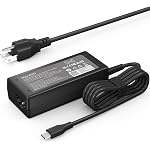
65W USB C Laptop Charger Compatible with HP Chromebook/Lenovo/Dell/Acer and More Chromebook Type C Power Cord
$9.99 (as of September 6, 2026 09:51 GMT +00:00 - More infoProduct prices and availability are accurate as of the date/time indicated and are subject to change. Any price and availability information displayed on [relevant Amazon Site(s), as applicable] at the time of purchase will apply to the purchase of this product.)
The Product Management Playbook: Create, Ship, and Optimize Winning Products
$59.99 (as of September 6, 2026 09:51 GMT +00:00 - More infoProduct prices and availability are accurate as of the date/time indicated and are subject to change. Any price and availability information displayed on [relevant Amazon Site(s), as applicable] at the time of purchase will apply to the purchase of this product.)
How to Draw Anything for kids: 300 Cute Step-by-Step Drawing Stuff: Amazing Food, Animals, Kawaii, Gifts and Other (How to draw books for kids)
$12.99 (as of September 6, 2026 09:51 GMT +00:00 - More infoProduct prices and availability are accurate as of the date/time indicated and are subject to change. Any price and availability information displayed on [relevant Amazon Site(s), as applicable] at the time of purchase will apply to the purchase of this product.)