Table of contents
- The Ultimate Guide to AI-Powered Design Tools Comparison
- Comparing the Top AI-Powered Design Tools in 2021
- Which AI Design Tool Reigns Supreme? A Comprehensive Comparison
- AI vs. AI: Unveiling the Best Design Tool for Your Projects
- Boost Your Design Process: AI Tools Face-Off
- AI Revolution: Choosing the Perfect Design Tool for You
- Unleashing the Power of AI in Design: Tool Comparison Breakdown
- AI Design Tools Showdown: Finding the Right Fit for Your Needs
- AI-Powered Design Tools: A Deep Dive into Features and Capabilities
The Ultimate Guide to AI-Powered Design Tools Comparison
Are you looking to streamline your design process with the help of AI-powered tools? Look no further! In this ultimate guide to AI-powered design tools comparison, we will break down the top tools on the market to help you make an informed decision. From generating color palettes to creating mockups, these tools have revolutionized the way designers work. Let’s dive in and explore the features, benefits, and drawbacks of each tool to help you find the perfect fit for your design workflow.
When it comes to AI-powered design tools, there are several options to choose from. Some of the most popular tools include Canva, Adobe XD, Sketch, Figma, and Procreate. Each tool offers unique features and capabilities that cater to different design needs. Whether you’re a beginner designer looking for user-friendly templates or a seasoned pro in need of advanced tools, there is a tool out there for you. Let’s compare the features of each tool to see which one aligns best with your design process.
Canva is known for its intuitive drag-and-drop interface and extensive library of design assets, making it a great choice for beginners. On the other hand, Adobe XD and Sketch are favored by professionals for their robust features and customization options. Figma stands out for its collaborative capabilities, allowing multiple users to work on a design project simultaneously. Procreate, on the other hand, is popular among digital artists for its advanced drawing and painting tools. Each tool has its strengths and weaknesses, so it’s essential to consider your specific design needs before making a decision.
Ultimately, the best AI-powered design tool for you will depend on your design goals, experience level, and budget. By comparing the features, benefits, and drawbacks of each tool, you can make an informed decision that will enhance your design workflow. Whether you’re creating social media graphics, website mockups, or digital illustrations, there is a tool out there to help you bring your creative vision to life. Choose wisely and watch your design process transform with the power of AI.
Comparing the Top AI-Powered Design Tools in 2021
Are you looking for the best AI-powered design tools to enhance your creative projects in 2021? Look no further as we compare the top tools that will revolutionize your design process. From generating design ideas to improving workflow efficiency, these AI-powered design tools are a game-changer for designers and creatives alike.
One of the most popular AI-powered design tools in 2021 is Adobe Sensei. With its intelligent features, Adobe Sensei can analyze images, recognize patterns, and generate design suggestions based on your preferences. This tool is perfect for designers looking to streamline their workflow and get creative inspiration in real-time.
Another top contender in the AI-powered design tools space is Canva’s Design AI. This tool uses machine learning algorithms to suggest design elements, layouts, and color schemes to create stunning visuals effortlessly. Whether you’re a beginner or a seasoned designer, Canva’s Design AI can help you elevate your design game with its intuitive features and user-friendly interface.
Which AI Design Tool Reigns Supreme? A Comprehensive Comparison
In the world of design, AI-powered tools have revolutionized the way creatives work. With so many options available, it can be overwhelming to choose the right one for your needs. This comprehensive comparison will help you determine which AI design tool reigns supreme.
First up, let’s take a look at the popular design tool Canva. Known for its user-friendly interface and vast library of templates, Canva is a favorite among beginners and professionals alike. Its AI features include design suggestions and image recognition, making it a powerful tool for creating stunning visuals.
Next, we have Adobe Creative Cloud, a powerhouse in the design industry. With AI capabilities such as Adobe Sensei, this tool offers advanced features like auto color matching and font recommendations. While Adobe Creative Cloud comes with a steeper learning curve, its versatility and high-quality output make it a top choice for many designers.
Finally, we have Figma, a cloud-based design tool that emphasizes collaboration and real-time editing. Figma’s AI features focus on streamlining the design process, with tools like auto layout and design system components. While Figma may not have as many AI capabilities as Canva or Adobe Creative Cloud, its focus on teamwork and efficiency sets it apart.
AI vs. AI: Unveiling the Best Design Tool for Your Projects
Are you tired of spending hours on design projects? AI-powered design tools may be the solution you’ve been looking for. With the rise of artificial intelligence in the design world, choosing the right tool can be overwhelming. Let’s compare the top AI design tools to help you find the best fit for your projects.
When it comes to AI design tools, Adobe Sensei and Canva’s Magic Resize feature are two popular options. Adobe Sensei offers advanced features for professional designers, while Canva’s Magic Resize is user-friendly and great for beginners. Both tools utilize AI technology to streamline the design process and enhance creativity. Consider your skill level and project requirements when choosing between these two options.
Another key player in the AI design tools market is Sketch, which offers a wide range of plugins and integrations for seamless design workflows. Figma is another powerful tool that allows for real-time collaboration and prototyping. These tools are perfect for teams working on design projects together, offering efficiency and flexibility. Explore the features of each tool to determine which one suits your needs best.
Boost Your Design Process: AI Tools Face-Off
Are you looking to streamline your design process? AI-powered design tools could be the solution you’ve been searching for. In this face-off, we will compare some of the top AI tools on the market to help you decide which one is right for you.
When it comes to design, time is of the essence. AI tools can help you work faster and more efficiently, allowing you to focus on the creative aspects of your projects. By automating repetitive tasks and offering smart suggestions, these tools can significantly boost your productivity.
One of the key benefits of AI tools is their ability to learn and adapt to your design style. Whether you prefer minimalist layouts or bold graphics, these tools can analyze your preferences and offer personalized recommendations to enhance your work. With AI, you can take your designs to the next level with ease.
When choosing an AI-powered design tool, it’s essential to consider factors such as ease of use, compatibility with your existing software, and pricing. By comparing the features and benefits of different tools, you can find the one that best fits your needs and budget. So, why wait? Start exploring the world of AI-powered design tools today and revolutionize your creative process.
AI Revolution: Choosing the Perfect Design Tool for You
In today’s digital age, the use of AI-powered design tools has revolutionized the way we create and innovate. With so many options available in the market, choosing the perfect design tool for your specific needs can be overwhelming. To help you navigate through the sea of choices, it is essential to understand the key features and functionalities of each tool. Whether you are a graphic designer, web developer, or a marketing professional, finding the right AI design tool can significantly enhance your workflow and productivity.
When comparing different AI-powered design tools, consider the following factors to make an informed decision:
– Ease of use and user interface
– Available design templates and customization options
– Integration with other platforms and software
– Machine learning capabilities for personalized recommendations
– Collaboration features for team projects
By evaluating these aspects, you can narrow down your options and select the design tool that best suits your requirements. Remember that each tool has its strengths and weaknesses, so it is crucial to prioritize your needs and preferences when making a choice. Embrace the AI revolution and empower your creativity with the perfect design tool tailored to your unique style and workflow.
Unleashing the Power of AI in Design: Tool Comparison Breakdown
AI-powered design tools have revolutionized the way designers work, offering a range of features that can streamline the design process and enhance creativity. In this blog post, we will compare some of the top AI design tools currently available on the market, breaking down their key features and benefits to help you determine which tool is best suited for your needs.
First up on our comparison list is Tool A, which boasts advanced AI algorithms that can generate design concepts based on user input. Tool A also offers a wide range of templates and customization options, making it a versatile choice for designers looking to create unique and professional designs in a fraction of the time.
Next, we have Tool B, which focuses on simplifying the design process through intuitive features and an easy-to-use interface. With Tool B, designers can create stunning visuals with minimal effort, thanks to its AI-powered suggestions and real-time feedback. Additionally, Tool B offers seamless integration with popular design software, making it a convenient choice for designers with existing workflows.
Lastly, we have Tool C, which stands out for its collaborative features that allow multiple team members to work on the same project simultaneously. Tool C also offers robust project management tools and version control features, ensuring that designers can easily track changes and collaborate effectively. Additionally, Tool C’s AI algorithms can analyze design trends and provide insights to help designers make informed decisions.
In conclusion, each AI-powered design tool offers unique features and benefits that cater to different design needs. By comparing these tools and understanding their strengths, designers can choose the tool that best aligns with their workflow and goals. So, whether you’re a seasoned designer looking to streamline your process or a newcomer seeking inspiration, AI-powered design tools have something to offer for everyone.
AI Design Tools Showdown: Finding the Right Fit for Your Needs
Are you in search of the perfect AI design tool to meet your specific needs? Look no further than this showdown of AI-powered design tools that will help you find the right fit. With so many options available on the market, it can be overwhelming to choose the best one for your projects. But fear not, as we break down the key features and benefits of each tool to make your decision easier. Whether you are a beginner or an experienced designer, there is a tool out there that will suit your needs perfectly.
In this comparison, we will explore the pros and cons of each AI design tool to help you make an informed decision. From ease of use to advanced features, we will cover everything you need to know to find the tool that works best for you. Whether you are looking for a tool that offers pre-designed templates or one that allows for complete customization, we’ve got you covered. So sit back, relax, and let us guide you through the world of AI-powered design tools.
When it comes to choosing the right AI design tool, it is important to consider your specific needs and preferences. Do you need a tool that is user-friendly and intuitive, or are you looking for one that offers advanced features and customization options? By comparing the top AI design tools on the market, you can find the perfect fit for your projects. So whether you are a graphic designer, web developer, or just someone looking to enhance their design skills, there is a tool out there that will help you bring your creative vision to life.
AI-Powered Design Tools: A Deep Dive into Features and Capabilities
Are you looking to elevate your design process with the help of AI-powered tools? Look no further! In this blog post, we will take a deep dive into the features and capabilities of various AI-powered design tools to help you make an informed decision. These tools are revolutionizing the way designers work, offering innovative solutions to streamline workflows and enhance creativity. Let’s explore the options available and see how they can benefit your design projects.
AI-powered design tools are equipped with a range of features that can enhance your design process. Some of the key capabilities include:
– Automatic image recognition and tagging to organize your files efficiently.
– Smart suggestions for color palettes, fonts, and layouts to spark creativity.
– Real-time collaboration features to streamline teamwork and communication.
– Advanced algorithms for generating design variations and testing different concepts.
– Integration with popular design software for seamless workflow management.
With these powerful features at your fingertips, AI-powered design tools can help you save time, boost productivity, and unleash your creativity like never before. Whether you’re a seasoned designer or just starting out, these tools offer a wide range of benefits that can take your projects to the next level. Stay tuned as we explore each tool in more detail and help you find the perfect fit for your design needs.
Frequently Asked Question
Which AI-powered design tools are best for graphic design?
When it comes to AI-powered design tools for graphic design, there are several options available in the market. Some popular choices include Canva, Adobe Spark, and Figma. These tools use artificial intelligence to assist designers in creating visually appealing graphics quickly and efficiently.
How do AI-powered design tools compare in terms of usability?
When comparing AI-powered design tools in terms of usability, factors such as user interface, ease of use, and available features play a significant role. Canva is known for its user-friendly interface, while Adobe Spark offers a more robust set of design features. Figma, on the other hand, is popular among collaborative design teams for its cloud-based platform and real-time editing capabilities.
Which AI-powered design tool is best for collaborative design projects?
For collaborative design projects, Figma is often considered the best AI-powered design tool. Its cloud-based platform allows multiple team members to work on a design in real-time, making it easy to collaborate and provide feedback. Figma also offers version control and commenting features, making it ideal for team-based projects.
What are the key benefits of using AI-powered design tools?
The key benefits of using AI-powered design tools include increased productivity, faster design iterations, and access to advanced design features. These tools can help designers streamline their workflow, automate repetitive tasks, and create professional-looking designs with minimal effort. By harnessing the power of artificial intelligence, designers can save time and resources while still producing high-quality work.
Are AI-powered design tools suitable for beginners?
Yes, AI-powered design tools are suitable for beginners as they often come with user-friendly interfaces and tutorials to help new users get started. These tools can assist beginners in creating visually appealing designs without the need for advanced design skills. With features like templates, drag-and-drop functionality, and auto-suggestions, beginners can quickly learn the basics of design and create impressive graphics.

Apple 2026 MacBook Air 13-inch Laptop with M5 chip: Built for AI, 13.6-inch Liquid Retina Display, 16GB Unified Memory, 512GB SSD, 12MP Center Stage Camera, Touch ID, Wi-Fi 7; Midnight
$899.99 (as of May 28, 2026 00:18 GMT +00:00 - More infoProduct prices and availability are accurate as of the date/time indicated and are subject to change. Any price and availability information displayed on [relevant Amazon Site(s), as applicable] at the time of purchase will apply to the purchase of this product.)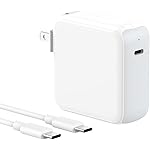
Charger for MacBook Air MacBook Pro 13 14 15 16 inch 2025 2024 2023 2022 2021 2020, M1 M2 M3 M4 Laptop 70W USB C Power Adapter, iPad, LED, 6.6FT USB-C Cable, Charging as Fast as Original Quality
$25.99 (as of May 28, 2026 00:18 GMT +00:00 - More infoProduct prices and availability are accurate as of the date/time indicated and are subject to change. Any price and availability information displayed on [relevant Amazon Site(s), as applicable] at the time of purchase will apply to the purchase of this product.)
StickerSity 100PCS Random Vinyl Stickers Bulk Pack – Waterproof Stickers for Kids, Teens & Adults – Cute Funny Stickers for Water Bottles, Laptops, Helmets, Phone Cases, Scrapbooking, Art & More
$9.99 (as of May 28, 2026 00:18 GMT +00:00 - More infoProduct prices and availability are accurate as of the date/time indicated and are subject to change. Any price and availability information displayed on [relevant Amazon Site(s), as applicable] at the time of purchase will apply to the purchase of this product.)
Little Book of Louis Vuitton: The Story of the Iconic Fashion House (Little Books of Fashion)
$11.00 (as of May 28, 2026 00:18 GMT +00:00 - More infoProduct prices and availability are accurate as of the date/time indicated and are subject to change. Any price and availability information displayed on [relevant Amazon Site(s), as applicable] at the time of purchase will apply to the purchase of this product.)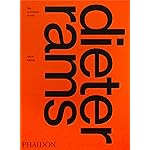
Dieter Rams: The Complete Works
$48.65 (as of May 28, 2026 00:18 GMT +00:00 - More infoProduct prices and availability are accurate as of the date/time indicated and are subject to change. Any price and availability information displayed on [relevant Amazon Site(s), as applicable] at the time of purchase will apply to the purchase of this product.)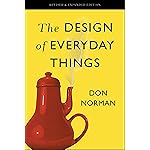
The Design of Everyday Things: Revised and Expanded Edition
$11.39 (as of May 28, 2026 00:18 GMT +00:00 - More infoProduct prices and availability are accurate as of the date/time indicated and are subject to change. Any price and availability information displayed on [relevant Amazon Site(s), as applicable] at the time of purchase will apply to the purchase of this product.)
Cathy Kincaid Memorable Rooms: Artisanal Collaborations
$55.00 (as of May 28, 2026 00:18 GMT +00:00 - More infoProduct prices and availability are accurate as of the date/time indicated and are subject to change. Any price and availability information displayed on [relevant Amazon Site(s), as applicable] at the time of purchase will apply to the purchase of this product.)
Bauhaus. Updated Edition (Bibliotheca Universalis)
$19.98 (as of May 28, 2026 00:18 GMT +00:00 - More infoProduct prices and availability are accurate as of the date/time indicated and are subject to change. Any price and availability information displayed on [relevant Amazon Site(s), as applicable] at the time of purchase will apply to the purchase of this product.)
Apple 2026 MacBook Air 15-inch Laptop with M5 chip: Built for AI, 15.3-inch Liquid Retina Display, 16GB Unified Memory, 512GB SSD, 12MP Center Stage Camera, Touch ID, Wi-Fi 7; Midnight
$1,269.00 (as of May 28, 2026 00:18 GMT +00:00 - More infoProduct prices and availability are accurate as of the date/time indicated and are subject to change. Any price and availability information displayed on [relevant Amazon Site(s), as applicable] at the time of purchase will apply to the purchase of this product.)