Table of contents
- Enhance User-Centered Design Workshops with Interactive Exercises
- Engage Participants in UCD Workshops with Interactive Activities
- Interactive Exercises to Elevate UCD Workshop Learning Experience
- Boost Collaboration in UCD Workshops with Engaging Activities
- Transform Your UCD Workshops with Fun and Interactive Exercises
- Create a Dynamic Learning Environment with Interactive UCD Workshop Exercises
- Drive Creativity and Innovation in UCD Workshops Through Interactive Activities
- Maximize Engagement and Retention with Interactive Exercises for UCD Workshops
- Explore New Ways to Facilitate Learning in UCD Workshops with Interactive Exercises
Enhance User-Centered Design Workshops with Interactive Exercises
User-Centered Design (UCD) workshops are an essential part of the design process, helping teams to understand the needs and preferences of their users. To enhance these workshops, incorporating interactive exercises can make them more engaging and effective. By encouraging participation and collaboration, interactive exercises can help teams to brainstorm ideas, identify user pain points, and test solutions in a hands-on way.
One effective interactive exercise for UCD workshops is role-playing, where team members act out different user personas to gain a deeper understanding of their needs and behaviors. This can help to humanize the design process and foster empathy among team members. Another useful exercise is storyboard creation, where participants visualize the user journey through a series of sketches or images. This can help to identify gaps in the user experience and generate ideas for improvement.
In addition to role-playing and storyboard creation, other interactive exercises such as card sorting, prototyping, and usability testing can also be valuable tools for enhancing UCD workshops. These exercises can help teams to collect feedback, iterate on designs, and ultimately create more user-friendly products and services. By incorporating interactive exercises into UCD workshops, teams can foster creativity, collaboration, and a user-centric mindset throughout the design process. So, next time you’re planning a UCD workshop, consider adding some interactive exercises to take your design thinking to the next level.
Engage Participants in UCD Workshops with Interactive Activities
Engage participants in UCD workshops with interactive activities that promote collaboration and creativity. Interactive exercises are a great way to keep attendees engaged and actively involved in the learning process. By incorporating hands-on activities, you can help participants apply the concepts they are learning in a practical and meaningful way. This not only enhances their understanding of user-centered design principles but also encourages them to think critically and problem-solve in real-time situations.
One effective interactive activity for UCD workshops is a design thinking exercise. This exercise involves brainstorming, prototyping, and testing solutions to a given design challenge. By working in teams, participants can leverage each other’s strengths and come up with innovative solutions that address user needs effectively. This hands-on approach allows participants to experience the design process firsthand and gain valuable insights into the importance of empathy and user research in creating user-friendly products and services.
Another engaging activity for UCD workshops is a usability testing simulation. In this exercise, participants take on the role of both designers and users, testing a prototype of a digital product and providing feedback on its usability. By experiencing the usability testing process from both perspectives, participants can gain a deeper understanding of the importance of user feedback and iteration in creating user-centered designs. This exercise also helps foster a culture of continuous improvement and user-centricity within the organization.
Overall, incorporating interactive activities into UCD workshops can enhance the learning experience for participants and make the concepts more memorable and applicable in real-world scenarios. By engaging participants in hands-on exercises, you can create a dynamic and interactive learning environment that fosters collaboration, creativity, and critical thinking. So, don’t be afraid to get creative and think outside the box when planning interactive activities for your next UCD workshop!
Interactive Exercises to Elevate UCD Workshop Learning Experience
Interactive exercises are a key component of any successful UCD workshop. These exercises not only help participants engage with the material but also provide hands-on experience that reinforces learning. One effective exercise is role-playing, where participants act out different user scenarios to gain a deeper understanding of user needs and behaviors. Another popular interactive exercise is group brainstorming sessions, where participants collaborate to generate new ideas and solutions. These exercises not only make learning fun but also encourage teamwork and creativity among participants.
In addition to role-playing and group brainstorming, another interactive exercise that can elevate the UCD workshop learning experience is usability testing. By allowing participants to test out prototypes or existing products, they can gain valuable insights into user preferences and pain points. Usability testing also helps participants understand the importance of user feedback in the design process. Furthermore, interactive exercises like card sorting and user journey mapping can help participants visualize the user experience and identify areas for improvement. These hands-on activities make learning more interactive and practical, enhancing the overall workshop experience.
Overall, incorporating interactive exercises into UCD workshops is essential for creating a dynamic and engaging learning environment. By providing participants with opportunities to actively engage with the material and collaborate with their peers, these exercises can help reinforce key concepts and foster a deeper understanding of user-centered design principles. Whether it’s role-playing, usability testing, or user journey mapping, interactive exercises play a crucial role in enhancing the overall workshop experience and empowering participants to apply their newfound knowledge in real-world scenarios.
Boost Collaboration in UCD Workshops with Engaging Activities
Boost collaboration in UCD workshops by incorporating engaging activities that encourage teamwork and creativity. Interactive exercises can help break the ice, foster communication, and improve problem-solving skills among participants. By incorporating fun and interactive elements into your workshop, you can create a dynamic and collaborative environment that enhances the overall learning experience.
One effective way to boost collaboration is through team-building activities that involve problem-solving and decision-making. These activities can help participants work together to achieve a common goal, fostering trust and communication among team members. Additionally, interactive exercises such as brainstorming sessions and group discussions can stimulate creativity and innovation, leading to more productive and effective outcomes.
Another key element to consider when planning interactive exercises for UCD workshops is to ensure that they are relevant and engaging for participants. By tailoring activities to the specific needs and interests of your audience, you can create a more impactful and meaningful learning experience. Additionally, incorporating a variety of activities, such as role-playing scenarios, group projects, and hands-on exercises, can help keep participants engaged and motivated throughout the workshop.
In conclusion, incorporating engaging activities into UCD workshops can help boost collaboration, creativity, and communication among participants. By creating a dynamic and interactive learning environment, you can enhance the overall effectiveness of your workshop and ensure that participants are actively engaged and motivated to learn. So, don’t hesitate to incorporate interactive exercises into your next UCD workshop to foster collaboration and teamwork among participants.
Transform Your UCD Workshops with Fun and Interactive Exercises
Transform your UCD workshops by incorporating fun and interactive exercises that will engage your participants and enhance the learning experience. One way to do this is by incorporating hands-on activities that allow for active participation and collaboration among attendees. This not only keeps everyone involved but also encourages creativity and problem-solving skills.
Another way to make your UCD workshops more interactive is by incorporating gamification elements. This could include using quizzes, challenges, or even role-playing scenarios to make the learning process more engaging and enjoyable. By turning your workshop into a game-like experience, you can keep participants motivated and interested throughout the session.
Create a Dynamic Learning Environment with Interactive UCD Workshop Exercises
Creating a dynamic learning environment during UCD workshops is essential for ensuring engagement and participation from all attendees. One way to achieve this is through interactive exercises that encourage collaboration and creativity. These exercises not only make the learning process more enjoyable but also help in retaining information better. By incorporating interactive elements into your workshops, you can create a more impactful and memorable experience for all participants.
One effective way to create a dynamic learning environment is by incorporating group activities that require teamwork and communication. This could include brainstorming sessions, group discussions, role-playing scenarios, or problem-solving exercises. By working together towards a common goal, participants can learn from each other’s perspectives and experiences, leading to a more holistic understanding of the topic at hand.
Another way to make UCD workshops more interactive is by utilizing technology and multimedia tools. This could involve using online platforms for real-time polls, quizzes, or interactive presentations. By incorporating multimedia elements into your workshops, you can cater to different learning styles and keep participants engaged throughout the session.
In addition to group activities and technology-based exercises, incorporating hands-on activities can also enhance the learning experience. This could include interactive games, simulations, or design challenges that require participants to apply their knowledge in a practical context. By providing opportunities for hands-on learning, you can help participants gain a deeper understanding of the subject matter and improve their problem-solving skills.
In conclusion, creating a dynamic learning environment with interactive exercises is key to making UCD workshops more engaging and effective. By incorporating group activities, technology tools, and hands-on experiences, you can create a more memorable and impactful learning experience for all participants. Embrace interactive exercises in your workshops to foster collaboration, creativity, and active participation among attendees.
Drive Creativity and Innovation in UCD Workshops Through Interactive Activities
Are you looking to inject some creativity and innovation into your UCD workshops? Interactive activities could be the key to unlocking the potential of your team and fostering a more collaborative and dynamic working environment. By incorporating interactive exercises into your workshops, you can engage participants in a hands-on way, sparking new ideas and encouraging out-of-the-box thinking.
One way to drive creativity in UCD workshops is through brainstorming sessions where participants can freely share their thoughts and ideas. This allows for a diverse range of perspectives to be heard and encourages collaboration among team members. Interactive activities such as group exercises or design challenges can also help stimulate creativity by getting participants to think outside their comfort zones and explore new ways of approaching problems.
Furthermore, interactive activities can help foster innovation by encouraging participants to experiment, take risks, and embrace failure as a learning opportunity. By creating a safe space for experimentation and exploration, UCD workshops can become a breeding ground for new ideas and breakthrough innovations that can drive your business forward.
Maximize Engagement and Retention with Interactive Exercises for UCD Workshops
Maximize engagement and retention with interactive exercises for UCD workshops by incorporating activities that encourage active participation and collaboration among participants. These exercises help create a dynamic learning environment where attendees can apply UCD principles in a hands-on way, making the concepts more memorable and actionable. By including interactive elements in your workshops, you can enhance the overall experience for participants and increase their retention of key information.
One effective interactive exercise for UCD workshops is to conduct user persona role-playing sessions, where participants step into the shoes of different user personas to better understand their needs and behaviors. This activity allows attendees to empathize with users and gain valuable insights into designing user-centric solutions. Another engaging exercise is to facilitate group brainstorming sessions where participants can collectively generate ideas and solutions to design challenges. This collaborative approach encourages creativity and innovation, leading to more effective UCD outcomes.
In addition to these hands-on activities, incorporating interactive technology tools such as interactive whiteboards, online collaboration platforms, and virtual reality simulations can further enhance engagement and retention in UCD workshops. These tools provide a multi-sensory learning experience that caters to different learning styles and preferences, making the workshops more inclusive and effective. By leveraging interactive exercises and technology tools, you can create a dynamic and immersive learning environment that maximizes engagement and retention for participants.
Explore New Ways to Facilitate Learning in UCD Workshops with Interactive Exercises
Are you looking for innovative ways to enhance learning experiences in UCD workshops? Interactive exercises could be the answer you’ve been searching for! By incorporating activities that engage participants and promote active learning, you can create a dynamic and engaging environment that fosters creativity and collaboration. These exercises not only make learning more enjoyable but also help participants retain information more effectively. Whether you’re looking to spice up your next workshop or simply want to try something new, interactive exercises are a great way to facilitate learning and encourage participation. So why not give them a try and see the difference they can make in your UCD workshops?
Frequently Asked Question
What are the benefits of using interactive exercises in UCD workshops?
Using interactive exercises in UCD workshops can greatly enhance participant engagement and understanding. Interactive exercises help to break up the monotony of traditional lectures and presentations, making the learning experience more enjoyable and effective. They also provide hands-on experience and practical application of UCD principles, allowing participants to apply their knowledge in a real-world context.
How can interactive exercises improve collaboration in UCD workshops?
Interactive exercises promote collaboration among workshop participants by encouraging teamwork and communication. Collaboration is key in user-centered design, as it allows different perspectives to come together to solve complex problems. By working together on interactive exercises, participants can learn from each other and share insights, leading to a more holistic understanding of UCD principles.
What types of interactive exercises can be used in UCD workshops?
There are many types of interactive exercises that can be used in UCD workshops, including brainstorming sessions, design sprints, prototyping activities, and user testing simulations. Interactive exercises can be tailored to the specific goals and objectives of the workshop, allowing participants to engage with UCD principles in a variety of ways.
How can interactive exercises help to reinforce key UCD concepts?
Interactive exercises help to reinforce key UCD concepts by providing practical examples and hands-on experience. By actively engaging with the material through interactive exercises, participants are more likely to remember and internalize key concepts. Reinforcing key UCD concepts through interactive exercises can lead to a deeper understanding and application of user-centered design principles.
What role do interactive exercises play in user research in UCD workshops?
Interactive exercises play a crucial role in user research in UCD workshops by allowing participants to practice user research techniques in a controlled environment. Through interactive exercises, participants can learn how to conduct user interviews, create personas, and analyze user data. User research is an essential part of UCD, and interactive exercises can help participants develop the skills and confidence needed to effectively gather and analyze user feedback.
How can interactive exercises be adapted for virtual UCD workshops?
Interactive exercises can be adapted for virtual UCD workshops by utilizing online collaboration tools, virtual whiteboards, and video conferencing platforms. Virtual interactive exercises can mimic the in-person experience by allowing participants to work together in real-time, share ideas, and collaborate on projects. By leveraging technology, virtual UCD workshops can still incorporate interactive exercises that promote engagement and learning.
What are some best practices for incorporating interactive exercises into UCD workshops?
Some best practices for incorporating interactive exercises into UCD workshops include setting clear objectives for each exercise, providing adequate time for participants to complete the activities, and debriefing after each exercise to reflect on key learnings. Best practices also include selecting exercises that are relevant to the workshop goals and the participants’ skill levels, as well as encouraging active participation and teamwork throughout the exercises.
How can interactive exercises be used to enhance creativity and innovation in UCD workshops?
Interactive exercises can be used to enhance creativity and innovation in UCD workshops by challenging participants to think outside the box and explore new ideas. Creativity and innovation are essential in user-centered design, as they drive the development of user-friendly products and services. By incorporating interactive exercises that encourage creative thinking and experimentation, UCD workshops can inspire participants to push the boundaries of traditional design practices.
What are some examples of successful interactive exercises used in UCD workshops?
Some examples of successful interactive exercises used in UCD workshops include design charrettes, empathy mapping sessions, rapid prototyping challenges, and user journey mapping workshops. Successful interactive exercises are those that actively engage participants, foster collaboration, and reinforce key UCD principles. By incorporating a mix of interactive exercises that cater to different learning styles and preferences, UCD workshops can provide a well-rounded and engaging learning experience for participants.

Studio Ghibli® My Neighbor Totoro 2027 Wall Calendar
$15.99 (as of September 7, 2026 11:08 GMT +00:00 - More infoProduct prices and availability are accurate as of the date/time indicated and are subject to change. Any price and availability information displayed on [relevant Amazon Site(s), as applicable] at the time of purchase will apply to the purchase of this product.)
The Logic of Rain: A Unique Collection of Japanese Katagami Stencils for Dyeing Kimono Fabrics
$85.00 (as of September 7, 2026 11:08 GMT +00:00 - More infoProduct prices and availability are accurate as of the date/time indicated and are subject to change. Any price and availability information displayed on [relevant Amazon Site(s), as applicable] at the time of purchase will apply to the purchase of this product.)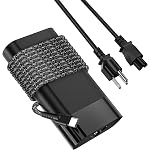
65W USB C Laptop Charger Compatible with HP Spectre x360,Elitebook x360, Envy, Omnibook, Pavilion, Chromebook, Elite x2 Fast Charging Type C Power Adapter
$12.99 (as of September 7, 2026 11:08 GMT +00:00 - More infoProduct prices and availability are accurate as of the date/time indicated and are subject to change. Any price and availability information displayed on [relevant Amazon Site(s), as applicable] at the time of purchase will apply to the purchase of this product.)
1000 Record Covers
$15.54 (as of September 7, 2026 11:08 GMT +00:00 - More infoProduct prices and availability are accurate as of the date/time indicated and are subject to change. Any price and availability information displayed on [relevant Amazon Site(s), as applicable] at the time of purchase will apply to the purchase of this product.)
Final Fantasy VII Rebirth: Material Ultimania
$25.16 (as of September 7, 2026 11:08 GMT +00:00 - More infoProduct prices and availability are accurate as of the date/time indicated and are subject to change. Any price and availability information displayed on [relevant Amazon Site(s), as applicable] at the time of purchase will apply to the purchase of this product.)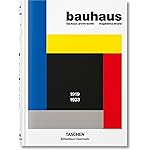
Bauhaus. Updated Edition (Bibliotheca Universalis)
$16.98 (as of September 7, 2026 11:08 GMT +00:00 - More infoProduct prices and availability are accurate as of the date/time indicated and are subject to change. Any price and availability information displayed on [relevant Amazon Site(s), as applicable] at the time of purchase will apply to the purchase of this product.)
The Crochet Beginner's Bible: [3 in 1] The Visual Dictionary with 300+ Stitches, Edging & Joining | 50 Easy Projects to Relax and Make Cozy Blankets, ... Hats & Gifts (Even If You've Never Crocheted)
$23.97 (as of September 7, 2026 11:08 GMT +00:00 - More infoProduct prices and availability are accurate as of the date/time indicated and are subject to change. Any price and availability information displayed on [relevant Amazon Site(s), as applicable] at the time of purchase will apply to the purchase of this product.)
AI-ASSISTED EMBEDDED SYSTEMS: Using Copilot, Cursor, and Claude to Write, Debug, and Optimize Firmware for ARM, STM32, and FreeRTOS (with full source code)
$29.99 (as of September 7, 2026 11:08 GMT +00:00 - More infoProduct prices and availability are accurate as of the date/time indicated and are subject to change. Any price and availability information displayed on [relevant Amazon Site(s), as applicable] at the time of purchase will apply to the purchase of this product.)
Carolyn Bessette-Kennedy: The Queen of Minimalism (Style Icons, 1)
$55.00 (as of September 7, 2026 11:08 GMT +00:00 - More infoProduct prices and availability are accurate as of the date/time indicated and are subject to change. Any price and availability information displayed on [relevant Amazon Site(s), as applicable] at the time of purchase will apply to the purchase of this product.)