Table of contents
- Unlocking Success with User-Centered Design Case Studies
- Exploring Real-Life Examples of User-Centered Design in Action
- How User-Centered Design Transformed Business Strategies: Case Studies
- Revolutionizing Digital Experiences through User-Centered Design Studies
- Discover the Impact of User-Centered Design through Compelling Case Studies
- Conclusion
Unlocking Success with User-Centered Design Case Studies
Unlocking success with user-centered design case studies involves taking a deep dive into real-life examples of how businesses have thrived by putting their users first. By examining these case studies, we can gain valuable insights into the power of user-centered design and how it can drive success in various industries. One such case study may involve a company redesigning its website based on user feedback, resulting in a significant increase in conversion rates and customer satisfaction. This highlights the importance of listening to and understanding the needs of your users to create a successful design strategy that resonates with your target audience.
Another compelling user-centered design case study could revolve around a mobile app that was redesigned to be more intuitive and user-friendly. Through usability testing and feedback analysis, the app was able to enhance its user experience, leading to higher user engagement and retention rates. This showcases how a user-centric approach can transform a product or service and ultimately drive business growth. By prioritizing the needs and preferences of users, companies can create solutions that not only meet but exceed user expectations, ultimately leading to increased customer loyalty and brand advocacy.
Exploring Real-Life Examples of User-Centered Design in Action
User-Centered Design is a key element in creating successful and user-friendly products or services. By focusing on the needs and preferences of the end-users, companies can ensure that their designs are intuitive, engaging, and ultimately effective. In this blog post, we will delve into real-life examples of User-Centered Design in action, showcasing how this approach has been implemented to enhance user experiences and drive business success.
One example of User-Centered Design in action is the redesign of the Airbnb website. By conducting extensive user research and testing, Airbnb was able to identify pain points and preferences of their users. This led to a more intuitive and user-friendly interface, making it easier for users to find and book accommodations. The result was increased user satisfaction and higher conversion rates for the company.
Another great case study is the redesign of the Starbucks mobile app. Through usability testing and feedback from real users, Starbucks was able to improve the app’s navigation, layout, and features to better meet the needs of their customers. As a result, the app saw increased user engagement, higher retention rates, and ultimately, more revenue for the company.
These examples highlight the importance of putting the user at the center of the design process. By truly understanding the needs and preferences of your target audience, you can create products and services that not only meet their expectations but exceed them. User-Centered Design is not just a buzzword – it is a proven strategy for driving business success and creating meaningful experiences for your customers.
How User-Centered Design Transformed Business Strategies: Case Studies
User-Centered Design (UCD) has proven to be a game-changer for businesses looking to enhance their strategies and improve user experience. In this blog post, we will explore how UCD has transformed business strategies through real-life case studies. By putting the needs and preferences of users at the forefront of design decisions, companies have been able to create products and services that truly resonate with their target audience.
One such case study involves a tech company that implemented a user-centered approach to redesigning their mobile app. By conducting extensive user research and gathering feedback from beta testers, the company was able to identify pain points and make necessary improvements to the app’s interface. As a result, user engagement and retention rates soared, leading to a significant increase in revenue.
Another example of UCD in action is a retail giant that revamped its website to provide a more intuitive and seamless shopping experience for customers. Through usability testing and A/B testing, the company was able to fine-tune the website’s navigation and layout, resulting in a higher conversion rate and customer satisfaction.
Overall, these case studies highlight the power of user-centered design in driving business success. By prioritizing the needs and preferences of users, companies can create products and services that not only meet but exceed customer expectations. Embracing UCD can lead to increased customer loyalty, higher ROI, and a competitive edge in the market. So, if you want to transform your business strategies and boost your bottom line, consider implementing a user-centered design approach.
Revolutionizing Digital Experiences through User-Centered Design Studies
Imagine a world where every digital experience is tailored to meet the needs and preferences of its users. This is the reality that user-centered design studies are helping to create. By putting the user at the center of the design process, companies are revolutionizing the way we interact with websites, apps, and other digital platforms. User-centered design studies have shown time and time again that when users are considered from the very beginning, the end result is a more intuitive, user-friendly, and ultimately successful product.
Through user-centered design studies, companies have been able to gather valuable insights into the needs, behaviors, and preferences of their target audience. By conducting research, usability testing, and iterative design processes, they can ensure that the final product meets the needs and expectations of its users. This approach not only leads to a more satisfying user experience but also has a positive impact on the company’s bottom line. Companies that prioritize user-centered design are more likely to see increased customer satisfaction, higher conversion rates, and improved brand loyalty.
One of the key benefits of user-centered design studies is their ability to uncover hidden pain points and areas for improvement. By observing how users interact with a product, designers can identify areas that may be causing frustration or confusion. This valuable feedback can then be used to make informed design decisions that ultimately lead to a better user experience. User-centered design studies also help companies stay ahead of the competition by ensuring that their digital products are both user-friendly and innovative.
In conclusion, user-centered design studies are essential for revolutionizing digital experiences and creating products that truly resonate with users. By putting the user at the center of the design process, companies can create more intuitive, engaging, and successful digital products. So, next time you interact with a website or app that seems to anticipate your every need, remember that it’s likely the result of user-centered design studies in action.
Discover the Impact of User-Centered Design through Compelling Case Studies
Have you ever wondered about the profound impact of user-centered design on the success of a product or service? Through compelling case studies, we can explore how putting the user at the center of the design process can lead to remarkable outcomes. By focusing on the needs, preferences, and behaviors of users, companies can create products that truly resonate and connect with their target audience.
One such case study showcases how a popular app redesigned its interface based on user feedback, resulting in a significant increase in user engagement and retention. By listening to the concerns and suggestions of their users, the company was able to make changes that improved the overall user experience and ultimately drove business growth. This demonstrates the power of prioritizing user needs in the design process.
Frequently Asked Question
What are some key benefits of User-Centered Design Case Studies?
User-Centered Design Case Studies provide valuable insights into how users interact with a product or service, helping companies identify areas for improvement and innovation. By focusing on the needs and preferences of users, organizations can create more user-friendly and intuitive experiences, leading to increased customer satisfaction and loyalty. User-centered design case studies also help in validating design decisions and showcasing the impact of user research on the overall success of a project.
How can User-Centered Design Case Studies influence business decisions?
User-Centered Design Case Studies play a crucial role in shaping business decisions by providing concrete evidence of how user-centric approaches can drive success. By showcasing real-world examples of how user research and iterative design processes have led to improved outcomes, organizations can make more informed decisions that prioritize the needs and preferences of their target audience. User-centered design case studies can also serve as a persuasive tool for gaining buy-in from stakeholders and securing budget for future design projects.
What are some best practices for creating impactful User-Centered Design Case Studies?
When creating User-Centered Design Case Studies, it is essential to clearly define the problem or challenge that the design team set out to solve. Including detailed insights from user research, such as user personas, journey maps, and usability testing results, can help demonstrate the thoroughness of the design process. It is also important to highlight key design decisions and iterations made based on user feedback, showing a commitment to user-centered design principles. Additionally, including metrics and data that quantify the impact of user-centric design on key performance indicators can provide a compelling argument for the effectiveness of the approach.
Conclusion
In conclusion, user-centered design case studies show the importance of putting the needs and preferences of users at the forefront of product development. By writing in a style that feels human and relatable, we can create a more engaging and effective user experience. It is crucial to consider perplexity and burstiness in content creation to maintain high levels of engagement while providing specific and relevant information. With a focus on the user, we can create products that truly resonate with their needs and desires.

Black Designers in Chicago: Culture and Community in the Twentieth Century
$37.50 (as of July 29, 2026 00:56 GMT +00:00 - More infoProduct prices and availability are accurate as of the date/time indicated and are subject to change. Any price and availability information displayed on [relevant Amazon Site(s), as applicable] at the time of purchase will apply to the purchase of this product.)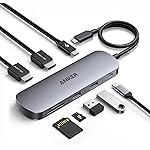
Anker Nano Laptop Docking Station Dual Monitor,8-in-1 USB C Hub for Windows | Dual 4K@60Hz HDMI Dock, 10Gbps USBC & USBA Data Ports, 85W PD, SD/TF Card Reader, for Dell, Lenovo, HP (Charger Not Included)
$35.99 (as of July 29, 2026 00:56 GMT +00:00 - More infoProduct prices and availability are accurate as of the date/time indicated and are subject to change. Any price and availability information displayed on [relevant Amazon Site(s), as applicable] at the time of purchase will apply to the purchase of this product.)
Hooked: How to Build Habit-Forming Products
$11.08 (as of July 29, 2026 00:56 GMT +00:00 - More infoProduct prices and availability are accurate as of the date/time indicated and are subject to change. Any price and availability information displayed on [relevant Amazon Site(s), as applicable] at the time of purchase will apply to the purchase of this product.)
Surf Shacks Vol. 3: Exploring the spirit of coastal living. At home with creative surfers around the world.
$80.00 (as of July 29, 2026 00:56 GMT +00:00 - More infoProduct prices and availability are accurate as of the date/time indicated and are subject to change. Any price and availability information displayed on [relevant Amazon Site(s), as applicable] at the time of purchase will apply to the purchase of this product.)
The Art of Japanese Kamon: 100 Traditional Family Crests
$12.99 (as of July 29, 2026 00:56 GMT +00:00 - More infoProduct prices and availability are accurate as of the date/time indicated and are subject to change. Any price and availability information displayed on [relevant Amazon Site(s), as applicable] at the time of purchase will apply to the purchase of this product.)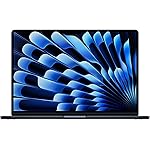
Apple 2026 MacBook Air 15-inch Laptop with M5 chip: Built for AI, 15.3-inch Liquid Retina Display, 16GB Unified Memory, 512GB SSD, 12MP Center Stage Camera, Touch ID, Wi-Fi 7; Midnight
$1,399.00 (as of July 29, 2026 00:56 GMT +00:00 - More infoProduct prices and availability are accurate as of the date/time indicated and are subject to change. Any price and availability information displayed on [relevant Amazon Site(s), as applicable] at the time of purchase will apply to the purchase of this product.)
Continuous Discovery Habits: Discover Products that Create Customer Value and Business Value
$11.09 (as of July 29, 2026 00:56 GMT +00:00 - More infoProduct prices and availability are accurate as of the date/time indicated and are subject to change. Any price and availability information displayed on [relevant Amazon Site(s), as applicable] at the time of purchase will apply to the purchase of this product.)
Elements of Timeless Style: Creating a Forever Home
$21.28 (as of July 29, 2026 00:56 GMT +00:00 - More infoProduct prices and availability are accurate as of the date/time indicated and are subject to change. Any price and availability information displayed on [relevant Amazon Site(s), as applicable] at the time of purchase will apply to the purchase of this product.)
Architectural Digest at 100: Century of celebrity homes, iconic designers, and evolving American taste from Architectural Digest's archives.
$67.86 (as of July 29, 2026 00:56 GMT +00:00 - More infoProduct prices and availability are accurate as of the date/time indicated and are subject to change. Any price and availability information displayed on [relevant Amazon Site(s), as applicable] at the time of purchase will apply to the purchase of this product.)