Table of contents
- Essential Elements to Include in Your User-Centered Design Workshop Checklist
- How to Create a Comprehensive User-Centered Design Workshop Checklist
- Maximize Your Design Workshop Success with This Checklist
- Ensure a Successful User-Centered Design Workshop with This Checklist
- Key Components for Your User-Centered Design Workshop Checklist
- Streamline Your Design Process with This Workshop Checklist
- Design Workshop Must-Haves: A User-Centered Checklist
- Optimize Your Design Workshop with This Comprehensive Checklist
- Tools and Techniques to Include in Your User-Centered Design Workshop Checklist
Essential Elements to Include in Your User-Centered Design Workshop Checklist
User-centered design workshops are an essential part of the design process, as they allow designers to gather insights directly from the end-users. To ensure that your workshop is effective, it’s important to have a checklist of essential elements to include. One of the key elements to include in your checklist is defining the workshop goals and objectives. This will help guide the activities and discussions throughout the workshop, ensuring that you stay focused on the end-users’ needs and preferences. Another important element to include is identifying the target audience for the workshop. Knowing who will be participating will help you tailor the activities and discussions to be most relevant and valuable to them. Additionally, including a mix of stakeholders from different departments or roles can help provide a well-rounded perspective on the design project. It’s also crucial to have the right tools and materials ready for the workshop, such as sticky notes, markers, and prototyping supplies. These tools will help facilitate activities like brainstorming, user journey mapping, and prototyping, allowing participants to collaborate and visualize their ideas effectively. Overall, having a comprehensive checklist of essential elements will help ensure that your user-centered design workshop is productive and impactful.
How to Create a Comprehensive User-Centered Design Workshop Checklist
Creating a comprehensive user-centered design workshop checklist is essential for ensuring a successful and productive session. To start, make sure to include key elements such as:
– Clearly defined goals and objectives for the workshop
– A list of attendees and their roles
– A detailed agenda with specific timeframes for each activity
– Materials and resources needed for hands-on exercises
– Evaluation criteria to measure the success of the workshop
By following these steps and incorporating input from all stakeholders, you can create a checklist that covers all aspects of user-centered design and sets the stage for a collaborative and engaging workshop experience. Remember, the checklist should be a living document that can be adjusted as needed throughout the workshop to ensure maximum effectiveness and engagement.
Maximize Your Design Workshop Success with This Checklist
Maximize your design workshop success by following this helpful checklist. First and foremost, make sure to define clear goals and objectives for the workshop. This will help guide the discussion and keep everyone focused on the task at hand. Next, gather all necessary materials and resources, such as whiteboards, markers, sticky notes, and any relevant documents. Having everything ready beforehand will save time and ensure a smooth workshop experience.
Create a detailed agenda outlining the topics to be discussed and the activities to be completed. This will help keep the workshop on track and ensure that all necessary information is covered. Encourage collaboration and participation from all team members to generate diverse ideas and perspectives. Actively listen to feedback and suggestions to incorporate them into the design process.
Set aside time for reflection and feedback at the end of the workshop to evaluate the success of the session and identify areas for improvement. Finally, follow up with action items and next steps to ensure that the ideas generated during the workshop are implemented effectively. By following this checklist, you can maximize the impact of your design workshop and achieve successful outcomes.
Ensure a Successful User-Centered Design Workshop with This Checklist
Are you preparing for a user-centered design workshop? To ensure its success, it’s crucial to have a checklist in place. This checklist will help you stay organized and focused on the goals of the workshop.
First and foremost, make sure you have a clear understanding of the workshop objectives. This will guide the activities and discussions throughout the session. Additionally, be sure to have all necessary materials ready, such as whiteboards, markers, and post-it notes.
During the workshop, facilitate open communication and collaboration among participants. Encourage everyone to share their ideas, provide feedback, and ask questions. Remember, the workshop is a team effort, and everyone’s input is valuable.
Finally, don’t forget to follow up after the workshop. Document key takeaways, action items, and next steps. This will help ensure that the outcomes of the workshop are put into practice. By following this checklist, you can set yourself up for a successful user-centered design workshop.
Key Components for Your User-Centered Design Workshop Checklist
Planning a user-centered design workshop can be a daunting task, but having a checklist can help ensure that you cover all the key components. When preparing for your workshop, it’s important to keep the user at the center of your design process. One key component for your checklist is to clearly define the goals and objectives of the workshop. This will help you stay focused and ensure that you are meeting the needs of your users. Another important component is to involve key stakeholders in the planning process to ensure that all perspectives are taken into account.
Creating a detailed agenda for the workshop is essential to keep the session on track and make sure that you cover all necessary topics. Additionally, having the right tools and materials on hand, such as sticky notes, markers, and whiteboards, will help facilitate collaboration and ideation during the workshop. It’s also important to establish ground rules at the beginning of the session to ensure that everyone is on the same page and that discussions are productive. Finally, be sure to allocate enough time for each activity so that participants have ample opportunity to contribute and provide feedback. By following this checklist, you can create a successful user-centered design workshop that leads to valuable insights and actionable results.
Streamline Your Design Process with This Workshop Checklist
Are you looking to improve your design process and create user-centered products? Look no further! This workshop checklist will help you streamline your design process and ensure that you are meeting the needs of your users. By following these simple steps, you can enhance the user experience and create products that are both functional and user-friendly.
First and foremost, it is important to gather key stakeholders and team members for the workshop. This will ensure that everyone is on the same page and working towards a common goal. Next, define the objectives of the workshop and what you hope to achieve. This will help keep the focus on the user and ensure that your design decisions are driven by their needs.
During the workshop, make sure to engage participants in user-centered design activities such as persona development, user journey mapping, and usability testing. These activities will help you gain valuable insights into the user experience and identify areas for improvement. Finally, document the findings and create an action plan to implement changes based on the workshop outcomes. By following this checklist, you can streamline your design process and create products that truly meet the needs of your users.
Design Workshop Must-Haves: A User-Centered Checklist
Are you preparing to host a user-centered design workshop? Ensuring you have all the necessary tools and resources on hand can make a significant difference in the success of your event. To help you stay organized and prepared, here is a checklist of must-have items for your user-centered design workshop:
First and foremost, it is essential to have a clear agenda for your workshop. This will help guide the flow of the day and ensure that you cover all necessary topics. Be sure to include time for introductions, discussions, activities, and breaks to keep participants engaged and focused.
Another crucial item to have on hand is materials for interactive activities. This could include sticky notes, markers, whiteboards, and any other supplies needed for brainstorming sessions, group exercises, or design challenges. These tools will help facilitate collaboration and creativity among participants.
In addition to physical materials, it is also important to have access to digital tools such as design software, prototyping tools, or collaboration platforms. These tools can help streamline the design process and allow for easy sharing and feedback among participants. Make sure all necessary software and accounts are set up and ready to go before the workshop begins.
Lastly, don’t forget to have a way to capture and document the ideas, feedback, and insights shared during the workshop. This could include taking notes, recording audio or video, or creating visual summaries of key points. Having a record of the day’s discussions can be valuable for future reference and can help ensure that all ideas are captured and considered.
Optimize Your Design Workshop with This Comprehensive Checklist
Are you looking to optimize your design workshop to ensure it is user-centered and effective? Look no further than this comprehensive checklist to guide you through the process. Firstly, make sure to define the goals and objectives of the workshop to keep the focus clear and concise. Next, identify the target audience and tailor the workshop activities to meet their needs and preferences. Additionally, create an agenda that outlines the schedule, topics to be covered, and any materials or resources needed.
During the workshop, encourage active participation from all attendees to promote collaboration and idea-sharing. Provide clear instructions for activities and allow time for feedback and discussion. Incorporate hands-on exercises and interactive elements to keep participants engaged and motivated. Finally, gather feedback from participants at the end of the workshop to evaluate its effectiveness and identify areas for improvement. By following this checklist, you can ensure that your design workshop is user-centered and successful.
Tools and Techniques to Include in Your User-Centered Design Workshop Checklist
When preparing for a user-centered design workshop, it’s essential to have the right tools and techniques on hand to ensure a successful session. One crucial tool to include in your checklist is user personas. These are detailed profiles of your target audience that help you understand their needs, behaviors, and goals. Another important technique is journey mapping, which visually represents the user’s experience with your product or service from start to finish. This tool can help identify pain points and opportunities for improvement. Usability testing is also a key component, allowing you to gather feedback from real users to validate design decisions. Additionally, wireframing and prototyping tools can help bring your ideas to life and visualize the user interface before development begins.
Frequently Asked Question
What is a User-centered design workshop checklist?
A User-centered design workshop checklist is a tool used by designers and teams to ensure that the design process is focused on meeting the needs and preferences of the end user. This checklist helps to prioritize user feedback, research, and testing throughout the design process to create a more user-friendly and intuitive product or service. By following a user-centered design workshop checklist, teams can ensure that their designs are more effective and successful in meeting user needs and expectations.
How can a User-centered design workshop checklist benefit my team?
By using a User-centered design workshop checklist, your team can ensure that the design process is focused on meeting the needs and preferences of the end user. This can result in a more user-friendly and intuitive product or service that is more likely to meet user needs and expectations. By prioritizing user feedback, research, and testing, teams can create designs that are more effective and successful in achieving their goals.
What are some key elements to include in a User-centered design workshop checklist?
Some key elements to include in a User-centered design workshop checklist include user personas, user research findings, usability testing plans, design principles, and feedback mechanisms. By including these elements in the checklist, teams can ensure that the design process is focused on meeting the needs and preferences of the end user. This can result in a more user-friendly and intuitive product or service that is more likely to meet user needs and expectations.
How can I create a User-centered design workshop checklist for my team?
To create a User-centered design workshop checklist for your team, start by identifying the key elements that are important to your specific project or product. This could include user personas, research findings, testing plans, design principles, and feedback mechanisms. Once you have identified these key elements, create a checklist that outlines the steps and activities needed to address each element throughout the design process. By following this checklist, your team can ensure that the design process is focused on meeting the needs and preferences of the end user.
How often should I refer to the User-centered design workshop checklist during the design process?
It is recommended to refer to the User-centered design workshop checklist regularly throughout the design process. This can help ensure that the team stays focused on meeting the needs and preferences of the end user and that user feedback, research, and testing are prioritized. By referring to the checklist regularly, teams can make adjustments to their designs as needed to ensure that they are more user-friendly and intuitive.
What are some common challenges when using a User-centered design workshop checklist?
Some common challenges when using a User-centered design workshop checklist include balancing user needs with business goals, interpreting and applying user feedback effectively, and ensuring that all team members are aligned on the importance of user-centered design. By addressing these challenges and communicating effectively with team members, teams can overcome these obstacles and create more user-friendly and intuitive designs.
How can I integrate a User-centered design workshop checklist into my current design process?
To integrate a User-centered design workshop checklist into your current design process, start by identifying the key elements that are important to your specific project or product. Then, create a checklist that outlines the steps and activities needed to address each element throughout the design process. By integrating this checklist into your current design process, you can ensure that the design process is focused on meeting the needs and preferences of the end user.
Are there any tools or templates available to help me create a User-centered design workshop checklist?
Yes, there are many tools and templates available online to help you create a User-centered design workshop checklist. These tools can provide you with a framework for organizing key elements, activities, and steps to ensure that the design process is focused on meeting user needs and preferences. By using these tools and templates, you can streamline the process of creating a User-centered design workshop checklist for your team.
How can I measure the effectiveness of using a User-centered design workshop checklist?
To measure the effectiveness of using a User-centered design workshop checklist, you can track key metrics such as user satisfaction, task completion rates, and feedback from usability testing. By analyzing these metrics, you can determine whether the checklist has helped to improve the user-friendliness and effectiveness of your designs. By continuously iterating on the checklist based on these metrics, you can ensure that your team is consistently meeting the needs and preferences of the end user.

Live Beautiful
$31.08 (as of August 1, 2026 13:10 GMT +00:00 - More infoProduct prices and availability are accurate as of the date/time indicated and are subject to change. Any price and availability information displayed on [relevant Amazon Site(s), as applicable] at the time of purchase will apply to the purchase of this product.)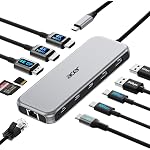
Acer Laptop Docking Station 3 Monitors, 11-in-1 USB C Docking Station | 8K DP, 4K@60Hz HDMI, 10Gbps Data, 1 Gbps Ethernet Hub, 100W Power Delivery, SD/TF, USB C Hub Multiport Adapter for Laptop
$53.99 (as of August 1, 2026 13:09 GMT +00:00 - More infoProduct prices and availability are accurate as of the date/time indicated and are subject to change. Any price and availability information displayed on [relevant Amazon Site(s), as applicable] at the time of purchase will apply to the purchase of this product.)
HP OmniBook 3 16 inch Laptop PC, 2K Touchscreen, AMD Ryzen 3 30, 8 GB RAM, 256 GB SSD, AMD Radeon 610M GPU, Windows 11 Home, Mica Silver, 16-by0199nr
$649.99 (as of August 1, 2026 13:09 GMT +00:00 - More infoProduct prices and availability are accurate as of the date/time indicated and are subject to change. Any price and availability information displayed on [relevant Amazon Site(s), as applicable] at the time of purchase will apply to the purchase of this product.)
Ralph Lauren: The Complete Collections (Catwalk)
$55.03 (as of August 1, 2026 13:10 GMT +00:00 - More infoProduct prices and availability are accurate as of the date/time indicated and are subject to change. Any price and availability information displayed on [relevant Amazon Site(s), as applicable] at the time of purchase will apply to the purchase of this product.)
A Dictionary Of Color Combinations Vol 1 (Japanese Edition)
$18.20 (as of August 1, 2026 13:09 GMT +00:00 - More infoProduct prices and availability are accurate as of the date/time indicated and are subject to change. Any price and availability information displayed on [relevant Amazon Site(s), as applicable] at the time of purchase will apply to the purchase of this product.)
NKJV, Journal the Word Bible, Large Print, Bonded Leather, Brown, Red Letter Edition: Reflect, Journal, or Create Art Next to Your Favorite Verses
$27.60 (as of August 1, 2026 13:09 GMT +00:00 - More infoProduct prices and availability are accurate as of the date/time indicated and are subject to change. Any price and availability information displayed on [relevant Amazon Site(s), as applicable] at the time of purchase will apply to the purchase of this product.)
Ralph Lauren A Way of Living: Home, Design, Inspiration
$44.66 (as of August 1, 2026 13:09 GMT +00:00 - More infoProduct prices and availability are accurate as of the date/time indicated and are subject to change. Any price and availability information displayed on [relevant Amazon Site(s), as applicable] at the time of purchase will apply to the purchase of this product.)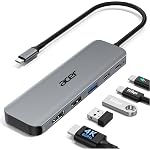
Acer USB C Hub, 5-in-1 USBC to HDMI Adapter with 4K@60Hz for Laptop/Mac | USBC Splitter Docking Station with HDMI 2.0, 100W PD, USB-C, USB-A 3.0 & USB-A 2.0 Data Ports for iPad Pro, iPhone 17 Pro Max
$15.99 (as of August 1, 2026 13:09 GMT +00:00 - More infoProduct prices and availability are accurate as of the date/time indicated and are subject to change. Any price and availability information displayed on [relevant Amazon Site(s), as applicable] at the time of purchase will apply to the purchase of this product.)
BESIGN LS03 Aluminum Laptop Stand, Ergonomic Detachable Computer Stand, Notebook Riser, Laptop Mount Compatible with Air, Pro, Dell, HP, Lenovo More 10-15.6" Laptops, Silver
$16.99 (as of August 1, 2026 13:09 GMT +00:00 - More infoProduct prices and availability are accurate as of the date/time indicated and are subject to change. Any price and availability information displayed on [relevant Amazon Site(s), as applicable] at the time of purchase will apply to the purchase of this product.)